
Rent car Dubai might appear to be a purely functional action, yet even the simplest decisions often contain symbolic echoes of a deeper human instinct: the need to move. For centuries, philosophers, poets, and thinkers have understood movement not merely as transportation, but as transformation — a shift not only through space, but through consciousness.
To travel is to disrupt the familiar rhythm of one’s life. It is to open the door to what lies beyond habit, to step into the uncertainty that awakens awareness. Movement invites reflection, because within the changing landscapes outside, we often discover unspoken landscapes inside.
The Road as a Metaphor for Thought
Writers have long compared the journey to the philosophical quest. Heraclitus linked the nature of reality to the flow of a river; Kierkegaard viewed life itself as a path one must walk alone; and the medieval pilgrim traveled both geographically and spiritually.
The road teaches us by revealing contrasts:
- Stillness versus acceleration
- Familiarity versus novelty
- Comfort versus uncertainty
- Past versus possible
Every journey becomes an inquiry: Who am I when taken out of what I know?
Changing Space, Shifting Mind
There is a subtle psychology to leaving one’s environment. When we step outside our routines, our perceptions sharpen. Colors seem richer. Conversations feel more meaningful. Thoughts that once felt stuck begin to move again.
This is not simply escapism. It is a form of self-study. A shift in space leads to a shift in perspective — something Stoics, monks, and modern thinkers all recognized in different ways.
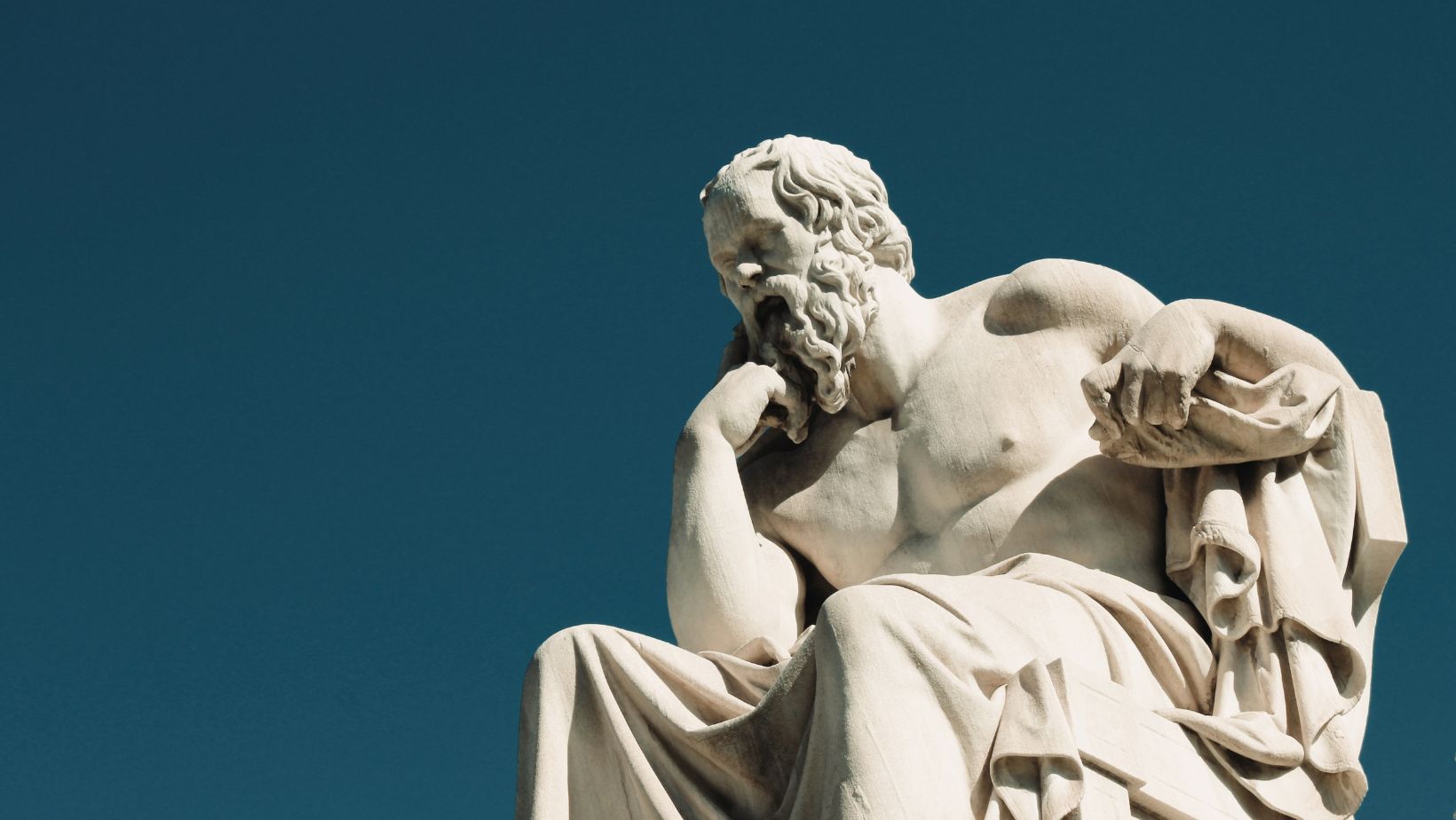
Travel becomes, in this sense, a philosophical practice.
Freedom as an Intellectual State
Independent movement — choosing direction, pacing, and pauses — echoes one of philosophy’s most central ideals: autonomy. The ability to determine one’s own path is both a physical and metaphysical experience.
To travel freely is to reclaim agency.
To choose your route is to choose your narrative.
To decide when to stop is to dialogue with your own intuition.
Thus, mobility offers a rare combination: external freedom paired with internal clarity.
Encounters That Change Us
Every new place brings new textures, languages, gestures, and symbols. These details accumulate and change how we interpret the world.
A city’s architecture reshapes our sense of scale.
A quiet desert reshapes our sense of time.
A new culture reshapes our sense of meaning.
Travel gives us encounters — with others, with ideas, and ultimately with ourselves.
Movement as Reflection
When returning from a journey, we often feel subtly altered. Not dramatically — not enough for others to notice at once — but something inside has shifted.
A new layer of understanding appears. A thought becomes clearer. A feeling makes more sense.
The traveler returns home, but not as the same person who left.
Conclusion
To travel is to participate in the oldest philosophical act: the search for meaning. Movement sharpens perception, tests identity, and reminds us that life is not a static concept but a dynamic unfolding. The road teaches, transforms, and reveals — and in doing so, it connects the external world with the inner one.